You’ve probably given an apology that didn’t land.
You said sorry. You meant it. And yet, somehow, things didn’t feel resolved. Maybe they felt worse.
What went wrong?
The difference:
There are two kinds of apologies.
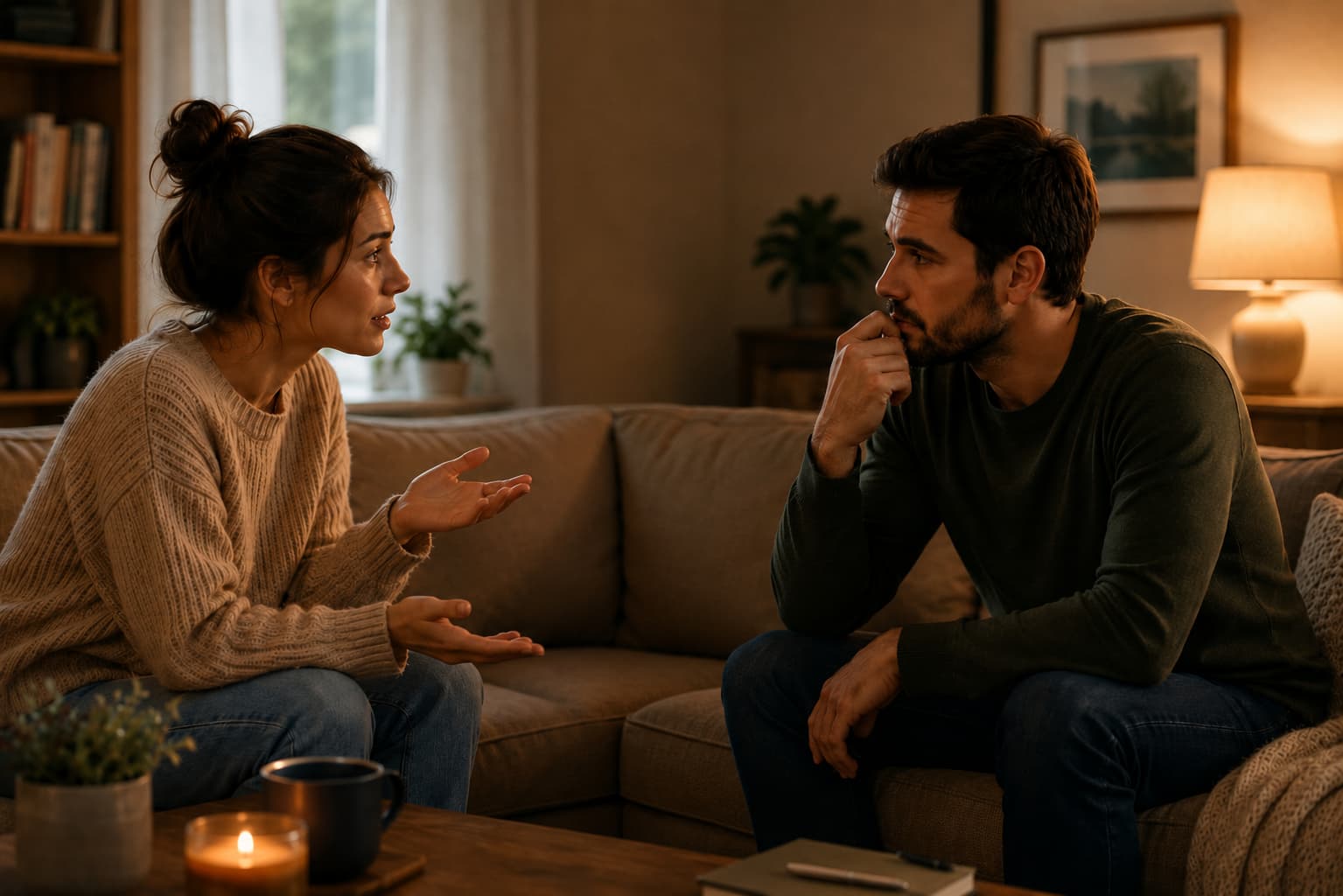
The first focuses on intention: I didn’t mean to hurt you. That wasn’t what I was trying to do. You misunderstood me.
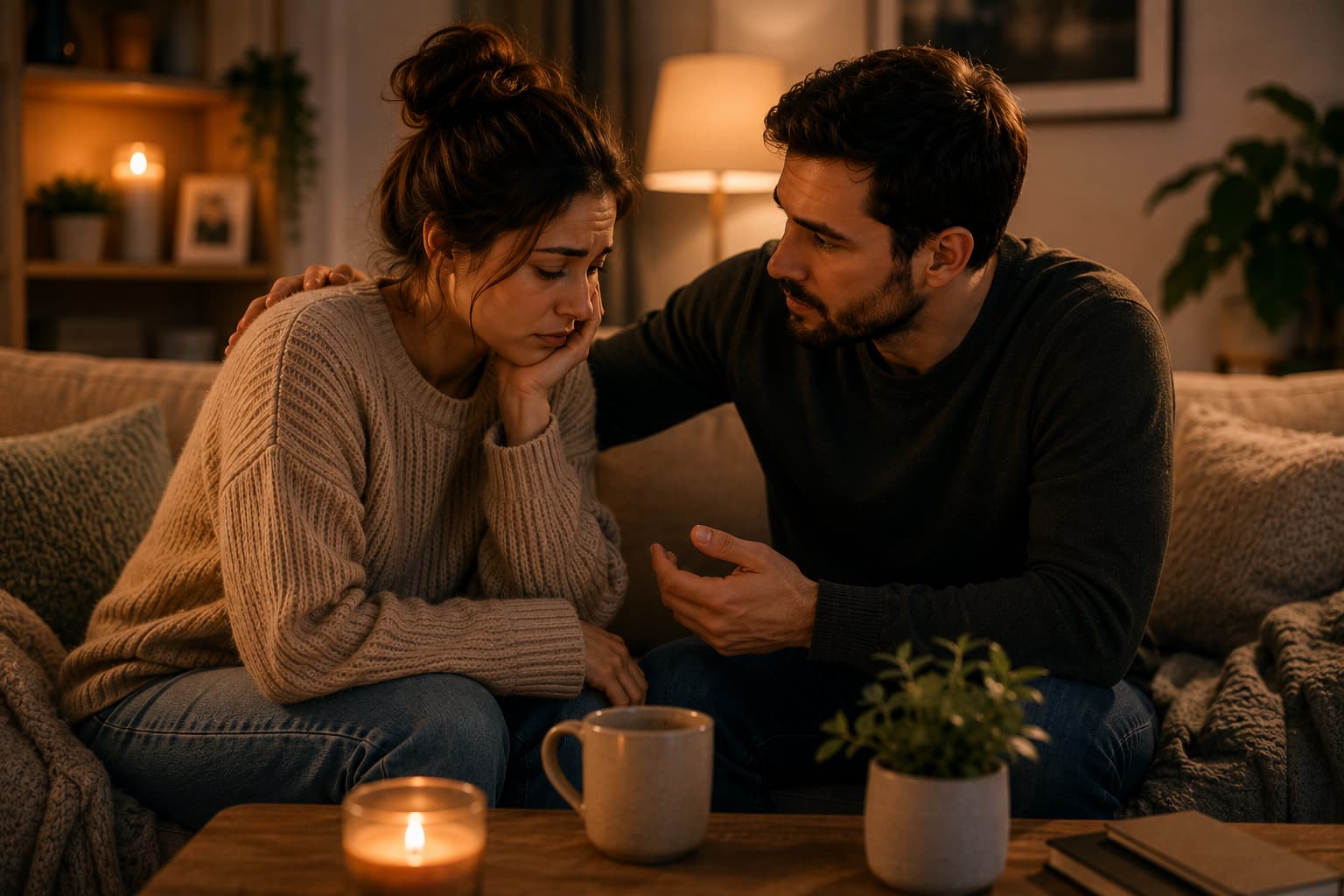
The second focuses on impact: I can see that hurt you. I understand why it landed that way.
The first feels like defence. The second feels like acknowledgment.
When someone is hurt, they don’t need to hear about your intentions — at least not first. They need to know their experience has been seen. That it’s real. That it matters.
Intention can come later, once the landing has been acknowledged. But leading with “I didn’t mean to” often sounds like “Your feelings are wrong.”
The shift:
Next time you’re apologising, try leading with impact rather than intention.
Instead of: “I’m sorry, but I didn’t mean it that way.”
Try: “I can see why that hurt. I’m sorry it landed like that.”
Same situation. Different landing.
One thing to try this week:
If something goes sideways, resist the urge to explain yourself first. Start with acknowledgment. Let them feel heard before you clarify what you meant.
You might find that once they feel understood, the explanation becomes unnecessary.
Go deeper:
Repair is a skill — and it’s one most of us were never taught. Finding Your Way Back to Each Other includes practical guidance on apologies that actually heal, not just words that fill the silence.